Repurpose your podcast transcripts
Turn one episode's transcript into an SEO blog post, a newsletter and captioned social clips.

Turn one episode's transcript into an SEO blog post, a newsletter and captioned social clips.
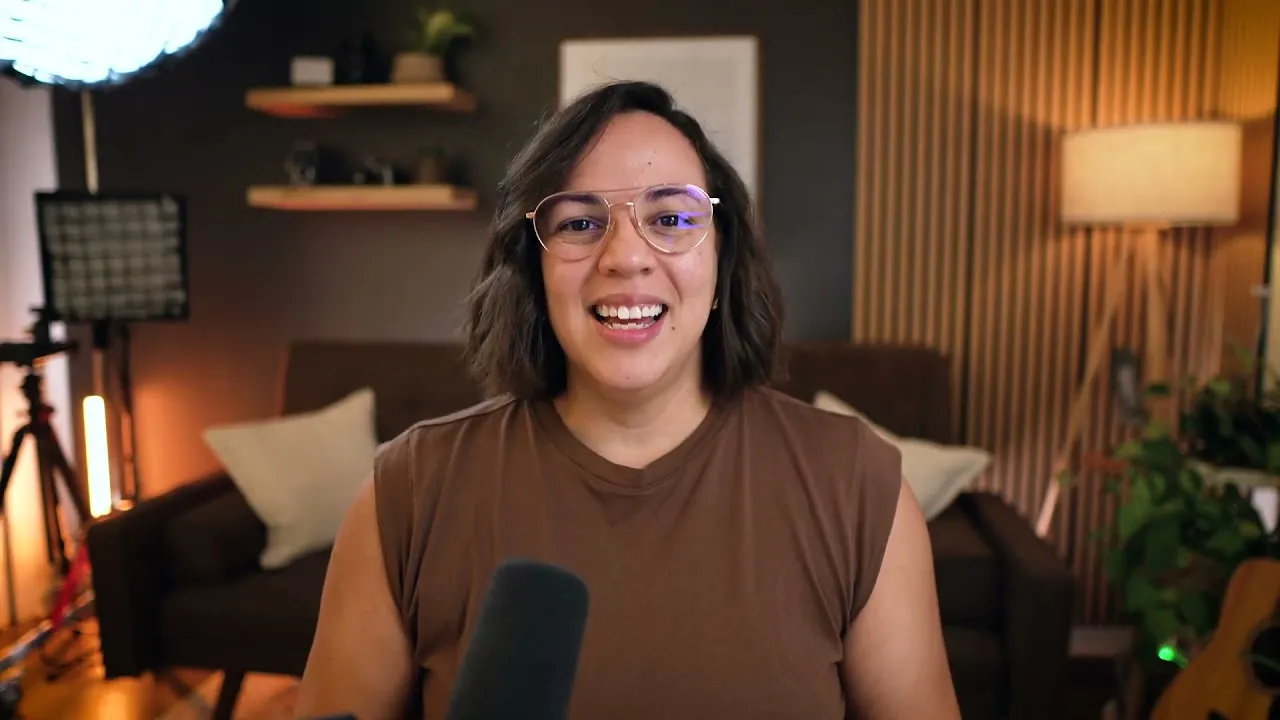
Recording an episode is only half the work, and the real value comes from repurposing it. In this video, Yesenia Bocanegra shows how she uses a single Riverside transcript to create three strategic pieces of content that promote her podcast, plus a bonus workflow for reaching a second language audience.
She copies the transcript from the project and prompts ChatGPT for an SEO blog post with a title, meta description, excerpt and URL slug. Next, she writes a newsletter built around one key lesson instead of summarizing the whole episode. She then picks the highest-rated Magic Clips, adds her branding and writes captions and YouTube Shorts titles. Finally, she explains how she uses transcripts for bilingual posts, subtitles and new episodes in Spanish and English. It's a simple system for getting far more reach out of every recording.
After recording, open your project, go to the episode you want to repurpose, and copy or download the transcript from the Tracks section. Bonus tip: You can use Riverside's new MCP to do this workflow as well. If you are on Grow or up, you can connect Riverside to Claude or ChatGPT and it will automatically have your transcripts.
In ChatGPT (ideally one that already knows your brand voice, calls to action, and keywords), ask it to act as your content strategist and SEO writer, then paste your prompt and the transcript. Ask for the blog post plus a title, meta description, short excerpt, and suggested URL slug. Review it, then schedule it on your website.
Using the same transcript, ask ChatGPT for a short newsletter in your brand voice built on one lesson or strategy from the episode. Aim for a few hundred words with a strong hook and a call to action to watch, listen, or read the blog. Don't summarize the whole episode; give one takeaway and invite them in for the rest.
Go to Made for You, open Magic Clips, and start with the highest-rated ones. Choose your favorite one or two, edit them, and add your branding for the final vertical video.
Copy or download the transcript of the finished clip, then ask ChatGPT for an Instagram caption with a call to action and a few YouTube Shorts title options. Pick the best one.
Translate your social captions to make bilingual posts, or use the transcript as subtitles in your second language. You can also take an episode that performed well in one language, download its transcript, update any lessons or examples that won't land with the other audience, and record a new episode from it.
00:00 Hi, I'm Yesenia Bocaneda. I'm a YouTube and podcast content strategist and podcaster as well at Focus Emblem Studios, where I help entrepreneurs create content to help them grow their business in a way that is strategic and sustainable. In this video, I will walk you through a workflow on how you can use Riverside transcripts to create three strategic pieces of content to promote your podcast.
00:24 Creating your content is half of the work. The real value comes when you're able to repurpose it into multiple pieces of content to maximize the impact of your message. The first piece of content that I will be creating is an SEO optimized blog post that I can share on my website. The reason for this is so that my content lives on my website and helps with discoverability in search engines.
00:46 So the first thing that I'll do is once I record the episode, I'll go to the Riverside project section and go to my latest episode that I want to repurpose. So I'll go to the track section and either copy or download the transcripts. Once I'll copy the transcript, I'm going to go to chat GPT and because chat GPT knows my calls to action, my brand voice and my keywords, I'm going to ask it to act as my content strategist and SEO writer.
01:16 So I'll share a prompt with chat GPT and then paste my transcript. And then from there, I'm going to ask it to. not just create a blog post, but I'm specifically asking for a title, a meta description, a short excerpt and a suggested URL slug. So all of this is to optimize this specific post on my website.
01:37 Once that's done, I'll go ahead and review the content that was created and then proceed to schedule that content. Once I'm ready, the next piece of content that I'll be creating is a newsletter. The reason for this is to not only nurture my newsletter audience, but to also invite them to either watch the episode on my YouTube channel or listen to it on their favorite podcast platform.
01:59 Or if they want to, they can go ahead and read the notes on the blog that I just created. To do this, I'll share another prompt inside chat. GPT to use the same transcript to create a short newsletter in my brand voice. With this, I'm going to ask it to create or use one key lesson or strategy from that episode. write a few hundred words, make sure that it has a strong hook, and then it can expand the idea a little bit more so that it sparks curiosity and then invites people to take an action, whether that is to watch or listen or to go to the blog.
02:33 The important thing with this specific strategy is not to share or summarize the entire episode, but to simply share one quick lesson and then invite them to either watch or listen for the rest of the lessons or the insights. And the final piece of strategic content is social media clips. Now for this, I use two things within Riverside. First, I'll go to the made for you section, which Riverside does a really great job at filtering out really key sections that could potentially become either good hooks for the episodes or short clips that I can use as Instagram reels or TikToks or YouTube shorts.
03:09 And while whenever I go to an episode, I already have an idea of what points I would like to highlight or feature as part of my social media strategy. However, Riverside helps me save so much time with the magic clips that what I'll just do is I'll just go straight to that section, see which ones have a higher rating and then go through them and pick my favorite one or two.
03:31 And then from there, I'll go ahead and repurpose that once I've edited that particular clip and added all the branding elements that I would like to include in the final version of that short form vertical video. I'm going to repeat that process of either downloading or copying that transcript. Then I'll go to chat GPT and ask it to create a short Instagram caption based on that transcription and to include a call to action.
03:57 In addition, because I like to incorporate YouTube shorts into my content strategy, I'll also ask it to give me a few YouTube short title suggestions. And from there, I'll pick the best one as a podcaster who creates content in Spanish and English. One of the things that I've loved the most about Riverside transcripts is that it has helped me create content in multiple languages and save time doing so.
04:20 One of the ways that I do this is to translate social media captions so that I can create bilingual posts. Another way is to use the transcripts as subtitles in the secondary language. And while the majority of the time I am creating original content for each language, every now and then I like to test out to see if something that I use for one particular audience would be of interest to the other.
04:44 So I might go back to an episode that performed well in one language. And what I'll do is I'll download the transcripts and see if I need to update any of the lessons or the examples so that it would make sense in the new language. And then I'll go ahead and create a new episode based on that. So here you have three ways that you can repurpose your transcripts and one bonus step to create multilingual content.
USE CASES
Whether you're recording a podcast, hosting a live stream, or creating content for social, we've got you covered.
Got a process that works for you? Get featured by submitting your step-by-step flow. Help other creators save time, learn new tricks and improve their productions.